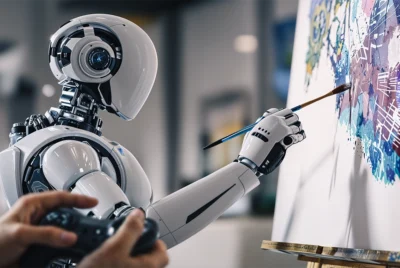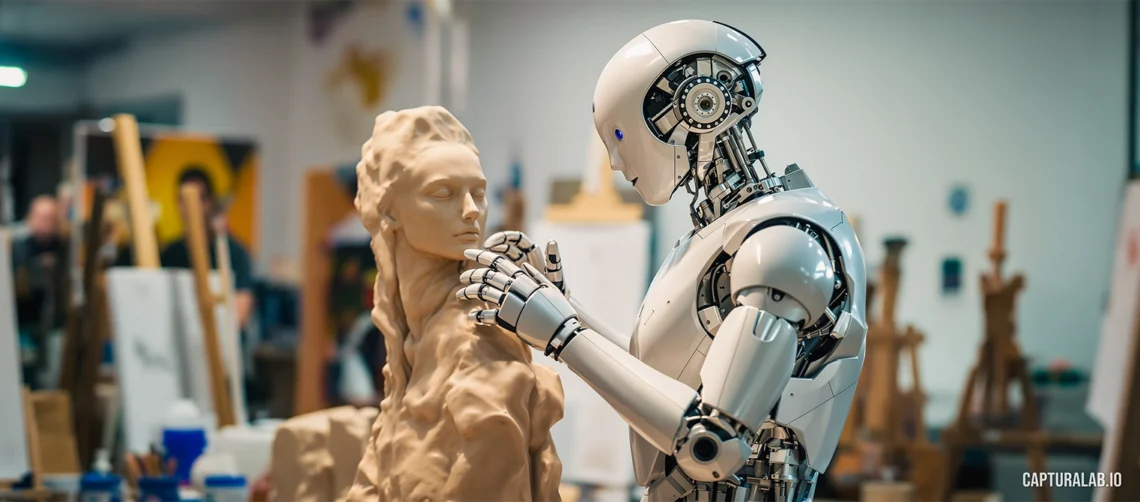
AI art is revolutionizing the creative landscape, changing how artists and brands create and share their stories. This guide is designed to empower emerging AI artists with the tools and knowledge needed to enhance their artwork and master the art of AI-generated visuals. Whether you’re a hobbyist using free tools, or a professional aiming for commercial projects, AI offers exciting ways to bring your vision to life.
What is AI Art?
For new artists, the first thing you need to understand is that no AI tool will work alone. While AI can assist in generating visuals, transforming these into compelling artwork requires storytelling, a clear vision, and the deliberate conveyance of emotions and messages. In short: your personal touch and creativity.
If you’d like to learn more about how we define AI art, you can visit our AI art FAQ article.
Tools like GPT-4o and Midjourney use input prompts to generate images, allowing artists to experiment with a wide range of styles and concepts. It’s essential for new artists to understand the capabilities of these platforms, but also their limitations, especially if you’re planning to make commercial-grade artwork.
Basic Generation – Choosing The Right Tools
For beginners looking to generate basic visuals, here are some popular platforms:
- Midjourney: Accessible through Discord and a web app interface, Midjourney is known for producing high-quality, artistic visuals.
- GPT-4o: Developed by OpenAI, GPT-4o excels at creating detailed images from text descriptions from their own easy-to-use ChatGPT interface.
- RunwayML: Great for animators, this platform streamlines creating animations and visual effects with text-to-video and image-to-video features.
- Stable Diffusion: An open-source model that generates images from text prompts. Users can run their own models using interfaces like AUTOMATIC1111, offering flexibility and control.
Advanced Generation – Training and Post-production
To create commercially viable AI artworks, like in this experimental advert from Land Rover, you’ll need to know the following tools and techniques (which aren’t limited to just AI):
- Creative Vision and References: At risk of repeating ourselves, a creative vision is essential; define the message you wish to convey through your choice of style, colors, tone and mood, and gather references to make your vision clearer.
- Consistency: Maintaining consistency across multiple artworks, especially in characters, products, or styles, often necessitates training custom AI models. Tools like ComfyUI and Stable Diffusion are commonly used for these tasks, though they require substantial computing power.
- Post-production processes: Adjusting lighting, colors, and making necessary edits are crucial for refining AI-generated images. Traditional software like Adobe Photoshop remains invaluable for these adjustments. Additionally, advanced AI tools such as Luminar Neo offer capabilities that complement these processes.
Therefore, generating high-quality AI art requires a hybrid approach, integrating creative direction, AI image generation, and manual post-production to achieve your desired artistic vision.
Writing Effective Prompts for AI Art
The quality of AI-generated art heavily depends on the prompts you provide. Crafting effective prompts, known as prompt engineering, is a critical aspect of AI image generation. A well-defined prompt helps the AI understand the user’s intent, leading to more accurate and relevant outputs.
Specifying elements like style, mood, color scheme, and composition helps achieve the best results. At Capturalab, we emphasize the importance of human intervention in this process, combining AI tools with traditional methods to enhance storytelling and convey messages effectively.
Dealing With Unwanted Creations
Sometimes AI can produce unexpected or undesirable results. To prevent creepy or unwanted art, specify what elements to avoid in your prompts and use filters provided by AI platforms. Regularly reviewing and adjusting the settings and preferences can also help maintain your desired output quality. Iterating and refining your prompts is an effective methodology to more precisely visualize your original ideas.
Despite this, AI won’t always generate exactly what you want – which is where you’ll need to come back to manual editing and post-production, using tried-and-true tools like Adobe Photoshop to smooth out any rougher edges or unwanted vestiges.
Showing and Selling Your AI Art
Once you have created your AI artwork, the next step is to market and sell it. Understand different platforms where you can showcase your art, such as:
- OpenSea: A popular marketplace for NFTs, allowing artists to sell their digital art securely.
- Digital Art Galleries: Online galleries such as Civitai and ArtStation showcase AI-generated works, where your work can get exposure to a broader audience.
Understanding licensing, copyrights, and other legal considerations is crucial to protect your work and ensure ethical sales.
Continuous Learning and Experimentation
The field of AI art is continuously evolving, so staying updated with the latest tools, trends, and techniques is vital. Engage with other AI artists in communities, participate in forums, and explore new AI updates to keep your skills sharp and your creations innovative. Platforms like Artbreeder have introduced features such as ControlNet, enabling users to create images based on specific poses, and Pattern, which creates AI pattern images – both of which can be useful depending on the art style you’re creating in.
In Conclusion…
In this guide, we’ve explored how AI art is transforming creativity, offering artists—from beginners to professionals—innovative tools to bring their visions to life. We’ve discussed the importance of combining AI capabilities with human creativity, emphasizing that storytelling, clear vision, and emotional depth are essential in creating compelling artwork. By selecting appropriate AI tools, crafting effective prompts, and embracing a hybrid approach, adding to your work with manual post-processing, you can produce truly captivating artwork. At Capturalab, we believe AI is just one of many tools in an artist’s creative process, and embracing it responsibly can lead to a rewarding and exciting creative experience.
Explore our Portfolio page to see some of our work, or visit our Contact Us page for any projects inquiries or support.